Linear rails need a straight, stable mounting surface if they are going to move smoothly and hold position. Modular framing gives machine builders a practical way to support those rails while keeping the structure adjustable. The key is making sure the frame, fasteners, rail alignment, and moving load work together.
Start With a Frame That Is Stiff Enough for the Motion
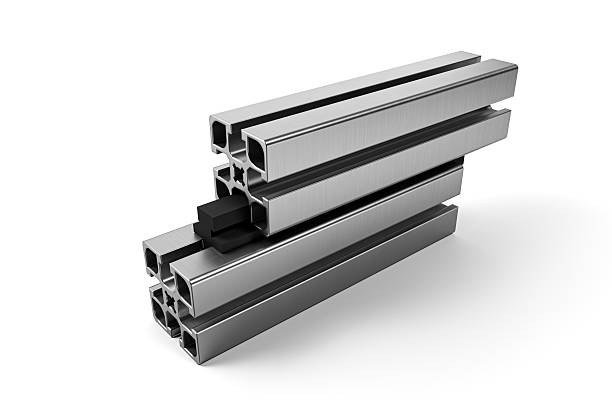
A linear rail can only stay aligned if the structure under it resists bending and twisting. That makes profile selection one of the first design decisions. The aluminum framing material has to support the rail, carriage, tooling, and moving load without enough deflection to disturb the guide path. MiniTec extruded aluminum framing gives designers different profile sizes and shapes to work with, but the right choice depends on span, support spacing, load direction, and anchoring. A long member may need a deeper section or added cross support. With two parallel rails, the frame also needs enough torsional stiffness to keep both mounting surfaces from shifting relative to each other.
Create a Flat Reference Before the Rail Is Tightened
Linear rails are sensitive to mounting errors that a basic machine frame might tolerate. Small high spots, debris, burrs, or uneven fastener pressure can force a rail out of line. The mounting surface should be clean and checked before the rail goes down. An extruded aluminum T slot profile offers convenient mounting points, but the slot itself does not guarantee perfect rail alignment. Depending on the rail design, builders may use mounting plates, machined surfaces, or locating features to create a reliable reference. The first rail usually becomes the primary guide. Once it is straight, the second rail can be positioned to match the carriage spacing.
Fastener Placement Affects More Than Holding Strength
Rail bolts do more than keep the guide attached. Their spacing and tightening sequence can influence how the rail sits against the frame. Pulling one section down too aggressively before the rest is seated can create local distortion. T slot extrusion makes adjustment easier because mounting hardware can be repositioned before final tightening. That flexibility helps during setup, but fasteners still need to match the profile and rail arrangement. Builders can bring the rail into position gradually, check movement through the full travel, and tighten in a controlled sequence. If the carriage begins to bind after one fastener is tightened, that area needs another alignment check.
Parallel Rails Need to Be Treated as One System
A single rail mainly needs a straight reference. Two rails add another problem: they must remain parallel through the full stroke. A small spacing error can place side load on the bearings and make the carriage feel tight even when both rails look straight individually.
One practical approach is to secure the reference rail first and use the moving carriage or connected gantry to help establish the second rail. The assembly should move freely before every fastener reaches final torque. MiniTec Aluminum Framing can support this setup because brackets and mounting points can be adjusted without cutting apart the surrounding structure. The frame underneath both rails matters too. If one side settles after equipment is added, the rails may lose the relationship established during assembly. Leveling, anchoring, and final load placement should happen before alignment is considered complete.
Moving Loads Change the Forces on the Frame
Static weight is only part of the picture. Acceleration, stopping, direction changes, and off-center tooling can create forces that push or twist the rail support. A larger moving fixture may need more bracing than a light carriage operating at modest speed.
Designers should pay attention to where those forces enter the frame. Cross members near the rail mounts can shorten unsupported spans, while braces help control racking across wider assemblies. With a T slot aluminium extrusion structure, those supports can often be repositioned as the machine design develops. The final layout still needs enough stiffness for the motion system.
Leave Room for Adjustment, Service, and Replacement
Linear systems need access after installation. Carriages wear, lubrication points need attention, sensors move, and tooling changes. A rail mounted tightly between fixed panels may be difficult to service even if the original alignment is excellent.
An aluminum framing kit can make maintenance easier when the design includes removable covers, accessible fasteners, and open slot space for future brackets. Cable carriers, limit switches, guards, and stops should have their own mounting space instead of competing with rail hardware. Planning that access early can prevent a simple bearing replacement from becoming a major teardown.
Check Alignment Again After the Machine Is Fully Loaded
Final alignment should happen after major equipment, guarding, and motion components are installed. Added weight can change the frame enough to affect a rail that was straight during early assembly. A full-stroke check under realistic operating conditions can reveal drag, uneven resistance, or carriage movement that was not visible on an unloaded frame.