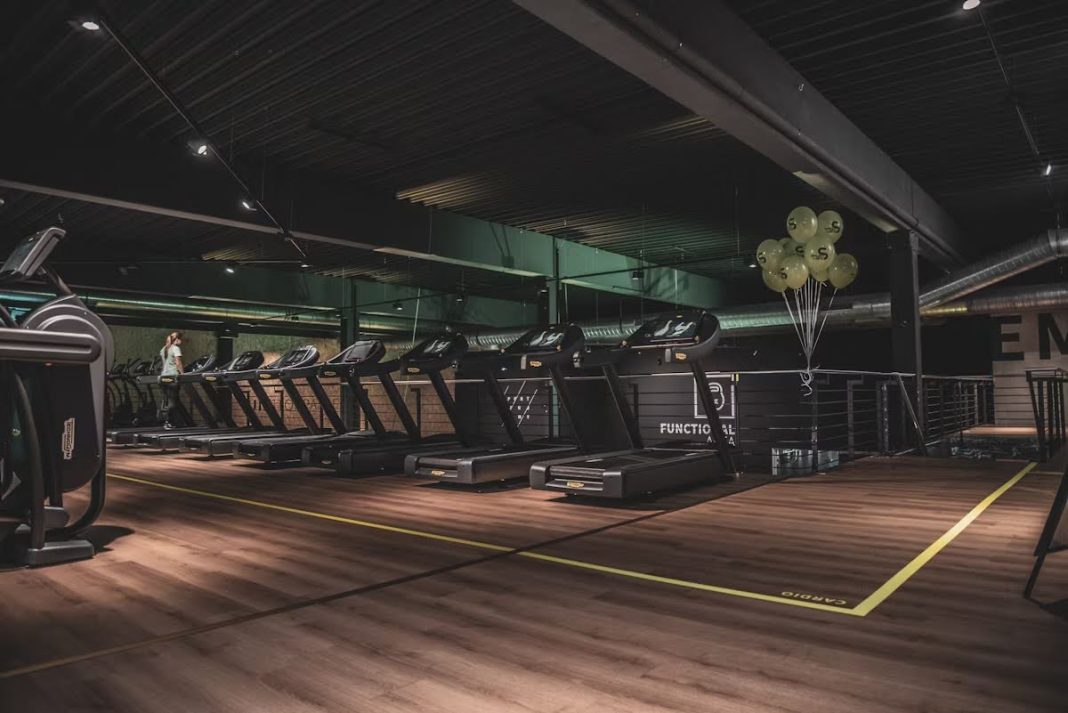
Maintaining the floors of your gym is essential not only for aesthetic appeal but also for member safety, equipment longevity, and overall facility hygiene. High-traffic areas accumulate dust, sweat, and debris that can become abrasive, leading to premature wear or even creating slip hazards. A comprehensive maintenance strategy ensures your gym floor remains durable, attractive, and safe.
Below are five key steps to help you establish and maintain an industry-leading floor-care regimen.
1. Daily Sweeping and Spot Cleaning
Begin each day with a thorough dry sweep or dust-mop of the entire workout area using a microfiber mop or soft-bristle broom. This removes loose dirt, grit, and particles tracked in by shoes or equipment, which can scratch and dull the finish over time.
Throughout the day, address spills and sweat puddles immediately with an absorbent microfiber cloth or mop to prevent moisture seeping into seams and causing warping or staining.
2. Weekly Damp Mopping
Once a week—ideally during off-peak hours—perform a damp mop using a pH-neutral, gym-approved floor cleaner. Dilute the solution according to manufacturer guidelines and use minimal water to avoid over-saturating the surface.
Work in manageable sections, rinsing and wringing the mop head frequently to prevent re-depositing dirt. Follow up with a quick dry-mop or use a commercial floor-drying tool to remove any residual moisture. This deeper cleaning lifts embedded grime and helps maintain the floor’s original luster and slip resistance.
3. Protective Mats and Equipment Pads
Prevention is just as important as cleaning. Place heavy-duty entrance mats at every door to trap dirt and moisture before it reaches the main workout zones.
Under heavy or free-weight equipment—such as squat racks, benches, and dumbbell stations—install impact-absorbing rubber or foam pads. These pads distribute weight, reduce point loads, and protect the floor from dents or gouges.
4. Periodic Gym Floor Refinishing
Even with diligent daily and weekly maintenance, all floor finishes eventually show signs of wear. Every 12–24 months—depending on foot traffic and equipment use—schedule a professional gym floor refinishing.
This process typically involves light sanding or screening to remove minor scratches and scuffs, followed by the application of a high-performance polyurethane or acrylic coating. The new finish seals the surface, enhances slip resistance, and restores the floor’s original sheen.
5. Staff Training and Monthly Inspections
Your maintenance program will only succeed if your staff understands and follows best practices. Train your team on correct cleaning procedures, immediate spill response, and safe equipment-moving techniques that avoid dragging heavy machines across the floor.
Implement a monthly inspection checklist to identify loose seams, surface discoloration, or areas of localized wear. Early detection allows you to perform spot repairs—such as recoating small sections or replacing damaged tiles—before problems escalate into costly full-floor replacement.
Conclusion
A proactive gym floor maintenance plan blends daily cleaning, weekly deep-cleans, protective installations, scheduled refinishing, and vigilant oversight. By investing time and resources into these five essential steps, you’ll safeguard your flooring investment, reduce long-term repair costs, and provide members with a safe, clean, and professional workout environment.