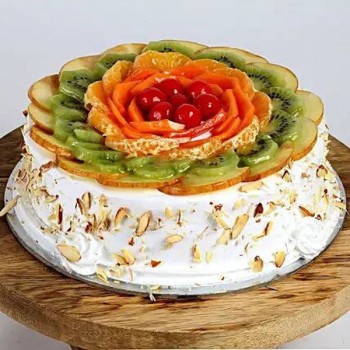
Baking a cake is often seen as a blend of art and science. For some, it’s a therapeutic hobby; for others, it’s a skill honed to create culinary masterpieces. No matter where you stand on the baking spectrum, one thing is certain: achieving the perfect cake requires precision, patience, and a sprinkle of creativity. But what exactly makes a cake perfect? Is it the moist crumb, the fluffy texture, or the balance of sweetness? The truth lies in mastering several crucial factors.
In this comprehensive guide, we’ll unlock the secrets to baking the perfect cake every time, covering everything from selecting ingredients to troubleshooting common baking mishaps.
Start with the Right Ingredients
The quality of your ingredients lays the foundation for a flawless cake. Always opt for fresh, high-quality products, as they directly impact the flavor and texture. Here’s what you need to know:
Flour Type
Choose the right type of flour for your recipe. Cake flour is ideal for a tender crumb, while all-purpose flour works for denser cakes like pound cakes. Always measure it accurately to avoid a heavy batter.
Granulated Sugar
Granulated sugar is the standard, but brown sugar adds a richer flavor to certain cakes.
Eggs For Better
Use room-temperature eggs for better incorporation into the batter. They provide structure and moisture.
Butter or Oil
For a buttery flavor, use unsalted butter. Oil, on the other hand, makes cakes extra moist.
Leavening Agents
Baking powder and baking soda are essential for the cake to rise. Ensure they’re not expired for optimal results.
Liquid For Moisture
Milk, buttermilk, or even coffee (for chocolate cakes) adds moisture. Buttermilk is particularly effective for creating a soft texture.
Master the Art of Measuring
Baking is a precise science, and incorrect measurements can lead to disasters. Always use measuring cups and spoons designed for dry and liquid ingredients. When measuring flour, spoon it into the cup and level it off with a knife instead of scooping directly, which can result in packing and excess flour.
Preheat and Prepare Your Oen
An oven at the wrong temperature can ruin an otherwise perfect cake. Preheating ensures the cake bakes evenly from the start. Invest in an oven thermometer to verify the actual temperature, as ovens can sometimes be inaccurate.
The Importance of Room Temperature Ingredients
Butter, eggs, and milk should be at room temperature unless the recipe specifies otherwise. Room-temperature ingredients blend more easily, resulting in a smoother batter and a more even texture.
Follow the Mixing Method
Different cakes require different mixing methods. Here’s a breakdown:
Creaming Method
Used for butter-based cakes, this involves creaming butter and sugar together until light and fluffy, then adding eggs and dry ingredients. This creates a light, airy texture for an anniversary cake or a birthday cake.
All-in-One Method
Involves mixing all ingredients in one go, ideal for simple, quick cakes.
Whisking Method
Common in sponge black-forest cakes, where eggs and sugar are whisked until they form a ribbon-like consistency. This method relies on air for volume.
Avoid overmixing, as it can develop gluten in the flour, resulting in a dense cake.
Prep Your Cake Pans
Preparing your pans properly prevents sticking and ensures an even bake. Grease the pan with butter or oil, then dust it with flour or line it with parchment paper. For intricate cake molds, use a baking spray for thorough coverage.
Don’t Rush the Baking Process
Once the cake is in the oven, patience is key. Resist the urge to open the oven door repeatedly, as this can cause temperature fluctuations and a sunken center. Use the middle rack for even baking and set a timer.
Test for Doneness
Knowing when your cake is done is crucial. Insert a toothpick or skewer into the center; if it comes out clean or with a few moist crumbs, the cake is ready. Alternatively, lightly press the top of the cake—it should spring back gently.
Cooling Matters
Allow your cake to cool in the pan for about 10-15 minutes before transferring it to a wire rack. Cooling it too quickly or keeping it in the pan for too long can affect the texture.
Perfect Your Frosting Technique
Frosting can elevate your cake from good to show stopping. Here’s how to nail it:
Crumb Coat
Apply a thin layer of frosting to seal in crumbs before adding the final coat.
Chill Before Decorating
Let the crumb coat set in the fridge for 15-30 minutes.
Use a Turntable
A turntable helps achieve smooth, even layers of frosting.
Troubleshooting Common Issues
Even experienced bakers encounter mishaps. Here’s how to troubleshoot:
Dry Cake
This can result from overbaking, too much flour, or insufficient liquid. Check your oven temperature and measure carefully.
Sunken Center
Often caused by underbaking, opening the oven door too soon, or too much leavening.
Dense Texture
Could be due to overmixing, expired leavening agents, or cold ingredients.
Experiment and Customize
Once you’ve mastered the basics, experiment with flavors, fillings, and decorations. Add extracts like vanilla or almond, incorporate fruit purees, or try a layered design with contrasting colors and textures.
Practice Makes Perfect
Baking the perfect cake isn’t just about following a recipe—it’s about practice. With each attempt, you’ll understand your oven’s quirks, refine your techniques, and build confidence.
Bonus Tips for Flawless Cakes
– Use a scale for precise measurements, especially for flour and sugar.
– Avoid overbaking by setting a timer 5 minutes before the recommended time.
– Sift dry ingredients to prevent lumps and ensure even mixing.
– For ultra-moist cakes, brush layers with simple syrup before frosting.
Baking the perfect cake
The task of baking the perfect cake every time may seem daunting, but with the right techniques, it’s entirely achievable. From selecting high-quality ingredients to mastering mixing methods and troubleshooting common issues, each step plays a vital role in your cake’s success. Whether you’re baking for a birthday, anniversary, or simply indulging in a weekend treat, these tips will ensure your cake is a triumph every time.
Remember, perfection isn’t just about appearance—it’s about taste, texture, and the joy of sharing a homemade masterpiece with loved ones. So, tie on your apron, gather your tools, and embark on your journey to baking excellence!