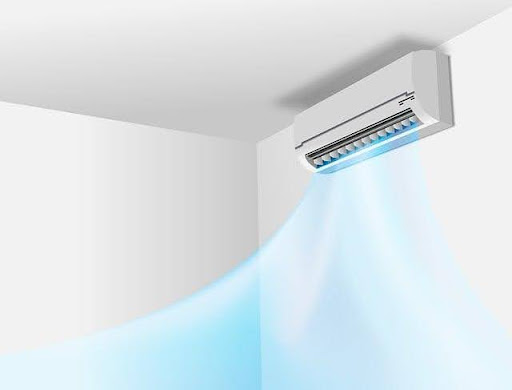
Keeping your home cool during the summer can be tough. You rely on your air conditioner to fight off the heat, but that often means higher energy bills and extra strain on your cooling system. If your AC is working too hard, it could also wear out sooner than expected. Luckily, there are simple ways to take some of the pressure off. One of the most effective methods is using shades in the right way. By managing sunlight and heat, shades can make a noticeable difference in your home’s temperature and energy use.
Consult an HVAC Contractor to Maximize Efficiency
Before making any changes, it helps to understand how your cooling system works. An experienced hvac contractor can inspect your setup and give you advice on improving efficiency. They might recommend better insulation, sealing leaks, or upgrading your thermostat. Once your AC is running at its best, you can combine these efforts with strategic shade use. This partnership between professional advice and simple home upgrades can lead to lower bills and a more comfortable space.
Use Shades to Block Direct Sunlight
One of the easiest ways to cool your home naturally is by installing shades on your windows. When direct sunlight streams into your rooms, it can quickly raise the temperature. By blocking that heat, you reduce the workload on your air conditioner. Choose light-colored shades to reflect sunlight, or consider blackout options for the hottest rooms in your house. This small change can make a big difference in keeping your home cool.
Close Shades During Peak Heat Hours
Timing matters when it comes to using shades effectively. During the hottest parts of the day—usually mid-morning to late afternoon—keeping shades closed can prevent your home from heating up. This means your air conditioner doesn’t have to work as hard to bring the temperature back down. In the evening, you can open them to let in cooler air and natural light without worrying about extra heat.
Pair Shades with Curtains for Extra Insulation
If you want to take things a step further, consider layering curtains over your shades. This combination can provide additional insulation against heat, helping to keep cool air inside. Thick curtains or thermal drapes work especially well in rooms that get a lot of sun. By reducing heat gain, your air conditioner can maintain a steady temperature with less effort.
Use Outdoor Shade Solutions to Support Indoor Cooling
Don’t limit shading to the inside of your home. Outdoor options like awnings, pergolas, or even planting trees near sun-facing windows can also cut down on heat. When less sunlight hits your windows, your home stays naturally cooler. This approach works hand in hand with your AC, allowing it to operate more efficiently while you enjoy a more pleasant indoor environment.
Adjust Shades Based on the Season
Finally, remember that the way you use shades can change with the seasons. In the summer, keeping them closed during the day helps block heat. In the winter, opening them on sunny days can let in warmth, reducing your heating needs. Adjusting your habits based on the weather ensures that your air conditioner—and your entire HVAC system—runs efficiently all year long.